There's a moment on the Napoli Sotterranea tour when the guide turns off the lights. You're standing forty metres underground, in a tunnel carved by Greeks in the 4th century BC, and for about ten seconds it's the most complete darkness you've ever experienced. No ambient glow, no phone screens, nothing. Someone near me grabbed a stranger's arm. I don't blame them.
Naples is built on top of itself. The soft tufo stone beneath the city has been quarried, tunnelled, and repurposed for two and a half thousand years. Below the streets, below the buildings, below your hotel room — there's a parallel city down there, and it's open for visits.
What's Ahead
What's Actually Down There
The short version: layers of history stacked like a geological sandwich.
The Greeks started it. When they founded Neapolis in the 4th century BC, they quarried tufo — a soft volcanic stone — from beneath the city to build the city above. This left enormous cavities underground. The Romans expanded these into aqueducts, connecting them to a water system that served Naples for centuries.
During WWII, the tunnels were repurposed as air-raid shelters. Thousands of Neapolitans hid down here during Allied bombing raids. You can still see the graffiti, the makeshift toilets, the medical stations. It's the most emotionally intense part of any underground tour — the scratches on the walls were made by people who didn't know if they'd see daylight again.
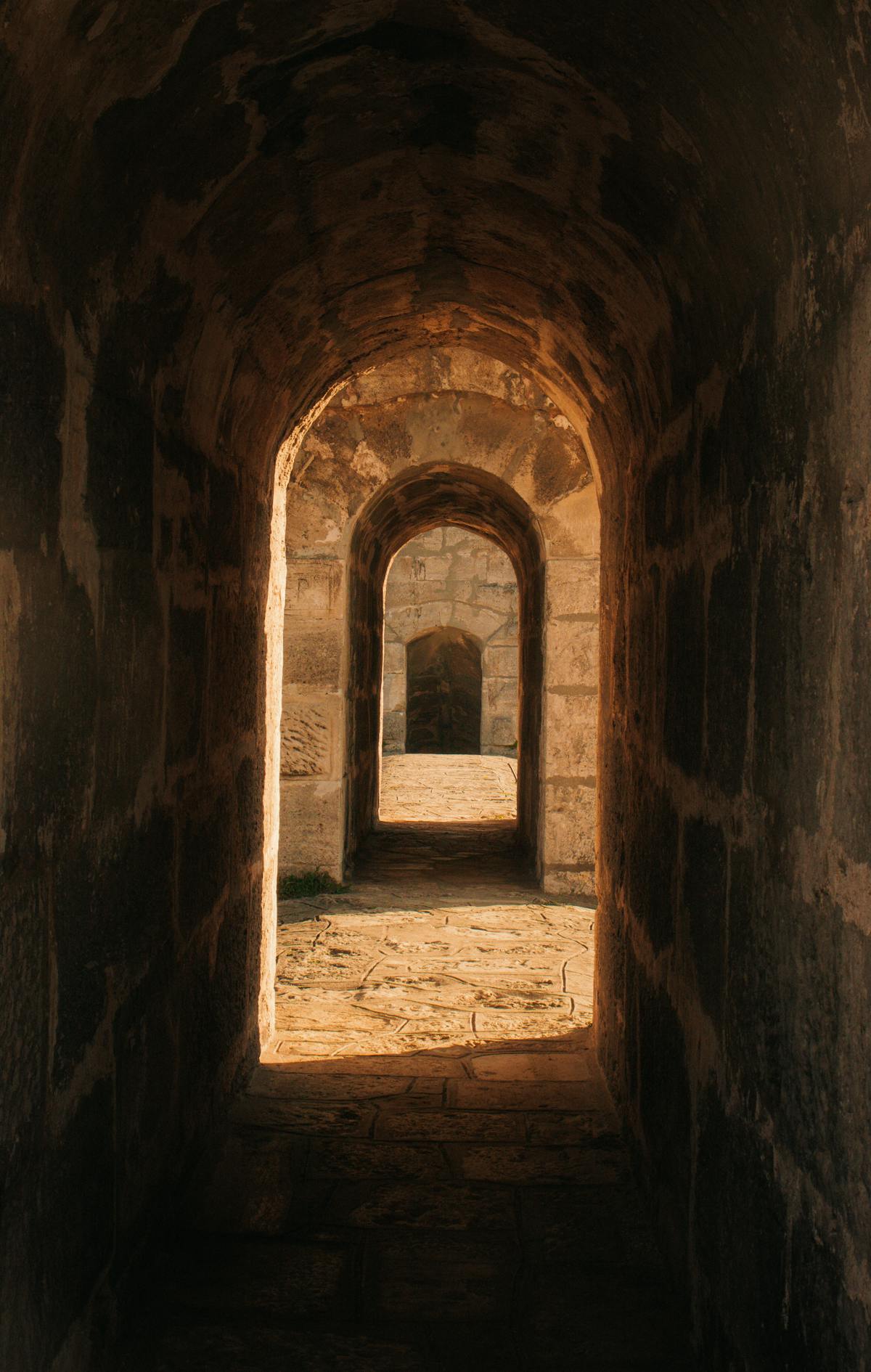
After the war, the tunnels were used as rubbish dumps for decades — sealed up and forgotten. Rediscovery and excavation started in the 1990s, and now several sections are open to the public as different tour experiences.
Napoli Sotterranea — The Main Tour
The best-known tour starts from Piazza San Gaetano in the centro storico (the entrance is through a small door next to the church of San Paolo Maggiore). Tours run roughly every hour, last about 90 minutes, and are led by guides who are equal parts historian and comedian.
You'll descend about 40 metres via a narrow staircase, then walk through Greek quarry tunnels, Roman aqueduct chambers, and WWII shelter rooms. The highlight — or lowlight, depending on your tolerance — is a section where you squeeze through a passage about 50cm wide with only a candle for light. It's not mandatory (there's a bypass) but most people do it.
The tour also includes an underground Roman theatre — parts of which are now incorporated into someone's apartment above. You literally walk through a basement into a 2,000-year-old seating area. The resident apparently charges €2 to let tour groups through his living room. Naples.
Galleria Borbonica — The Other One
Less famous, arguably more atmospheric. The Galleria Borbonica is a tunnel system started by King Ferdinand II in the 1850s as an escape route from the Royal Palace to the military barracks. He never finished it. During WWII it became a shelter, and after the war it became a dumping ground for seized vehicles, wartime rubble, and general refuse.
What makes this tour different is the stuff they found down there: 1940s cars, motorbikes, Fascist-era statues, medical equipment, bottles, shoes. It's like a time capsule nobody intended to preserve. The vehicles are still there, half-buried in debris, headlights staring at you through the gloom.
The entrance is on Via Morelli in Chiaia (there's also an entrance on Vico del Grottone). Tours run on a schedule — check galleriaborbonica.com for times. Cost is €10.
Which one should you do? If you're only doing one, do Napoli Sotterranea — it's more historically varied and the guide experience is better. If you have time for both, the Galleria Borbonica hits different emotionally. The WWII vehicles are haunting in a way that's hard to describe.
The Catacombs of San Gennaro
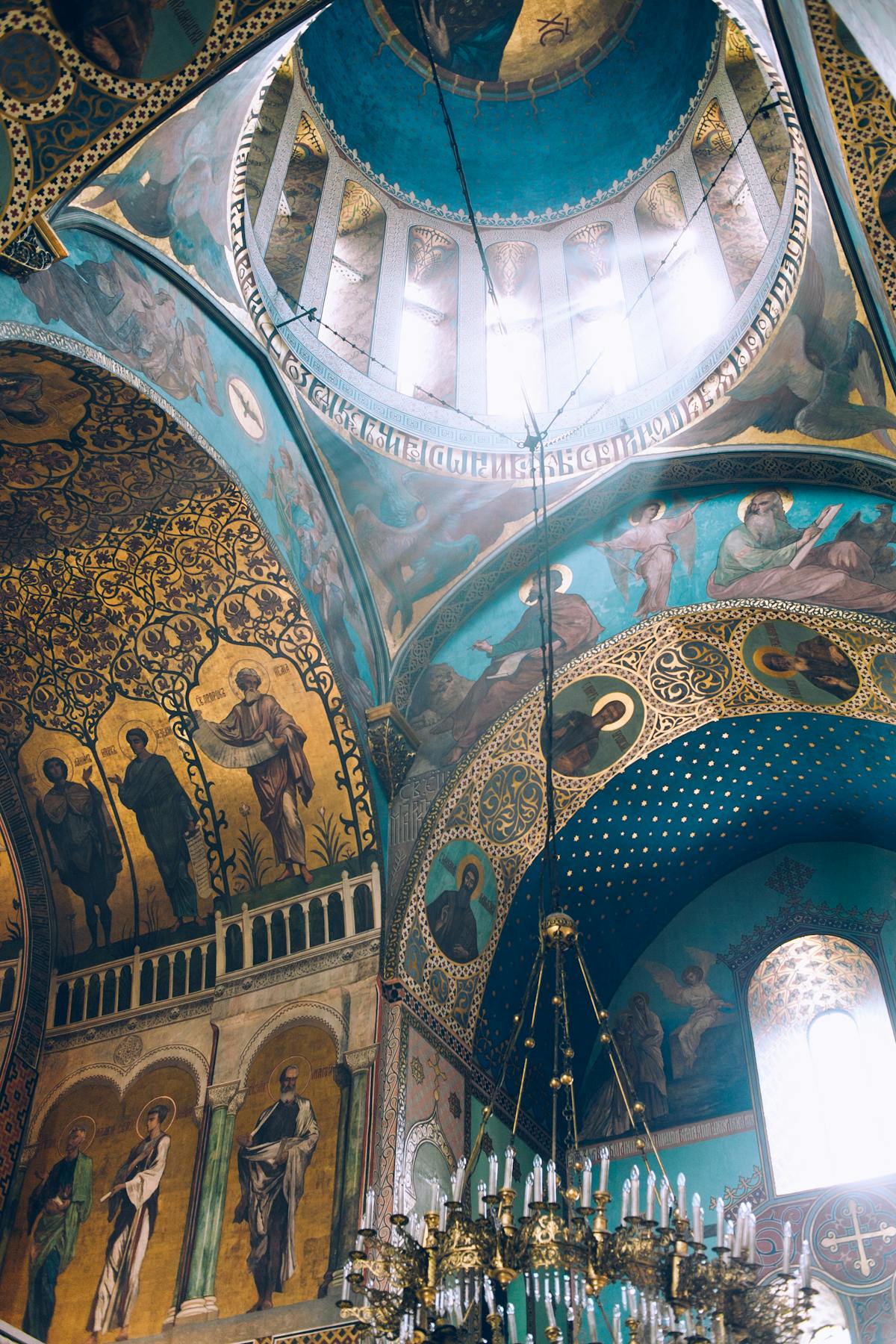
These are in my neighbourhood — Rione Sanità — and they're run by a local cooperative (La Paranza) that's done remarkable work in making them accessible. The catacombs date to the 2nd century AD and contain early Christian frescoes, burial niches, and the original tomb of San Gennaro, Naples' patron saint.
The tours here are led by young people from the neighbourhood, many of whom grew up in Sanità. They're passionate, knowledgeable, and visibly proud of what they've built. The cooperative also runs tours of the Catacombs of San Gaudioso (smaller, equally interesting) and has opened several other cultural spaces in the area.
Tickets are €12, and the tour takes about an hour. The entrance is at the Basilica del Buon Consiglio on Via Capodimonte.
The catacombs aren't just a historical site — they're an example of what happens when a community decides to reclaim its own heritage. Sanità was written off for decades. This cooperative changed the narrative, one tour at a time.
Practical Stuff
Claustrophobia: If tight spaces genuinely distress you, the narrow passage on the Napoli Sotterranea tour is optional. The rest of the tunnels are wide enough. The Galleria Borbonica and catacombs don't have any squeeze points.
Temperature: It's about 16°C underground, year-round. Bring a layer — even in August when it's 35°C above ground, you'll want long sleeves down there.
Shoes: Wear closed shoes. The floors are uneven stone, sometimes wet. Flip-flops are technically allowed but practically stupid.
Kids: The Napoli Sotterranea tour is fine for kids over about 8 — younger children may find the darkness scary. The catacombs are suitable for all ages.
Going underground in Naples is one of those things that reframes how you see the city above. You walk out into the daylight on Via dei Tribunali, blinking, and for the first time you think about all the centuries stacked beneath your feet. Every step is on top of something. That's Naples — nothing exists in just one layer.