Back in Bensonhurst, coffee was a dollar at the deli counter. Paper cup, bodega blend, drink it on the walk to the subway. Nobody thought about it. It was fuel, not culture. When I moved to Naples, I learned that coffee here is both — fuel and ritual and social contract and, somehow, a personality test.
I drink three or four espressos a day now. Always at the bar, always standing up, always at the same place around the corner from my apartment in Sanità. The bartender doesn't ask what I want anymore. He just starts making it when I walk in.
What's Ahead
Why It Tastes Different Here
Neapolitan coffee tastes different from Roman coffee, Milanese coffee, and definitely from whatever Starbucks is doing. There are a few reasons for this, and Neapolitans will argue about the exact order of importance until someone gets offended and storms off to make another espresso.
The roast is darker. Naples uses a darker roast than most of northern Italy. It produces a stronger, more intense flavour — slightly smoky, slightly bitter, with a thick crema on top. If you're used to lighter specialty roasts, your first Neapolitan espresso will feel like a punch. A welcome punch, but still.
The water matters. Naples has exceptional water — it comes from the Serino aqueduct, soft and mineral-light. Baristas here will tell you, completely seriously, that this is 50% of why the coffee tastes better. I can't prove they're wrong.
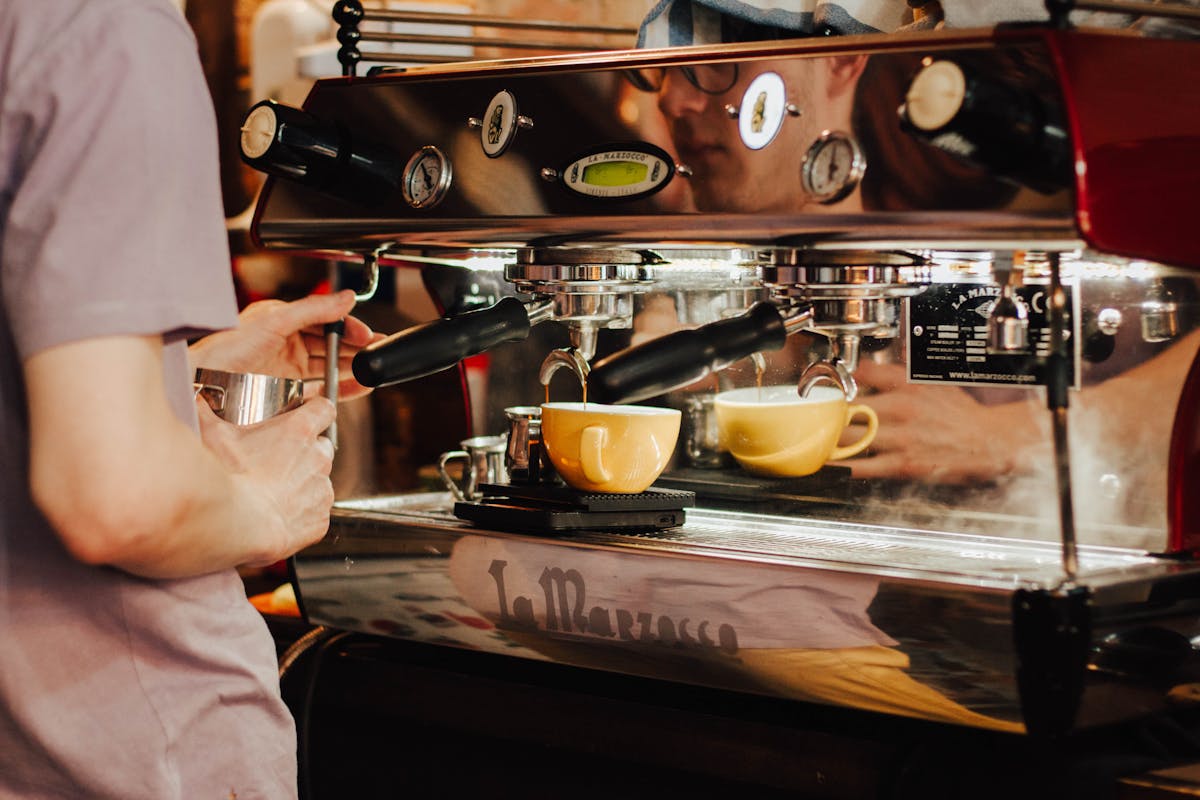
The machine and the hand. Most bars here use lever or semi-automatic machines, and the barista's technique matters more than the brand of coffee. A good Neapolitan barista treats extraction the way a Brooklyn bartender treats a Manhattan — with quiet, practiced precision and zero tolerance for anyone suggesting they're doing it wrong.
The Bar Rules Nobody Tells You
There's an unwritten system in Neapolitan coffee bars and if you don't know it, you'll look like a tourist. Not the end of the world, but here's how it actually works:
Stand at the bar = €1 for an espresso. This is the standard. You walk in, you say "un caffè" to the barista, you drink it in two or three sips while leaning on the counter, you leave. The whole interaction takes about ninety seconds. This is how 90% of Neapolitans drink coffee.
Sit at a table = €2-4. Same coffee, but you're renting the seat. At places like Gran Caffè Gambrinus on Piazza del Plebiscito, sitting down can triple the price. The coffee doesn't get better. You're paying for marble and chandeliers.
Don't order a cappuccino after 11am. This is an Italy-wide thing but Neapolitans take it more seriously than most. Milk after a meal is considered baffling here. I once ordered a cappuccino at 2pm in my first week and the barista made it, but the look he gave me contained centuries of cultural disappointment.
Caffè Sospeso — Paying It Forward
This is my favourite thing about Naples coffee culture, and it tells you something about the city that guidebooks usually miss.
Caffè sospeso means "suspended coffee." You walk into a bar, order your espresso, and pay for two — one for yourself, one "suspended." The extra coffee goes on a list. When someone comes in who can't afford a coffee — and in Naples, there are people who can't — they ask "c'è un sospeso?" (is there a suspended one?) and the barista serves them the coffee that a stranger already paid for.
Nobody knows who paid. Nobody knows who drinks it. That's the entire point. It's generosity without performance, and it's been happening in Naples since at least the early 1900s.
The tradition faded for a while and came back strongly after 2008. Now you'll see signs in many bars: "Qui si pratica il caffè sospeso." I leave a sospeso most mornings. It costs me an extra euro. It makes the day start right.
Where I Go Every Morning
I'm not going to give you a ranked list of "the best coffee bars in Naples" because that would miss the point entirely. The best coffee in Naples is at the bar closest to where you're staying. That's how this works. You find your bar, the barista learns your order, and a relationship forms. That's the culture.
That said, a few places worth knowing about:
Gran Caffè Gambrinus (Piazza del Plebiscito) — the most famous. Gorgeous interior, historically significant, touristy, expensive if you sit. Worth going once for the room itself. The coffee is good, not the best I've had.
Mexico (Piazza Dante) — locals' favourite. The espresso here is consistently excellent, the prices are fair (€1 at the bar), and it's been open since 1952. My grandmother used to go here. I go here. Continuity matters to me.
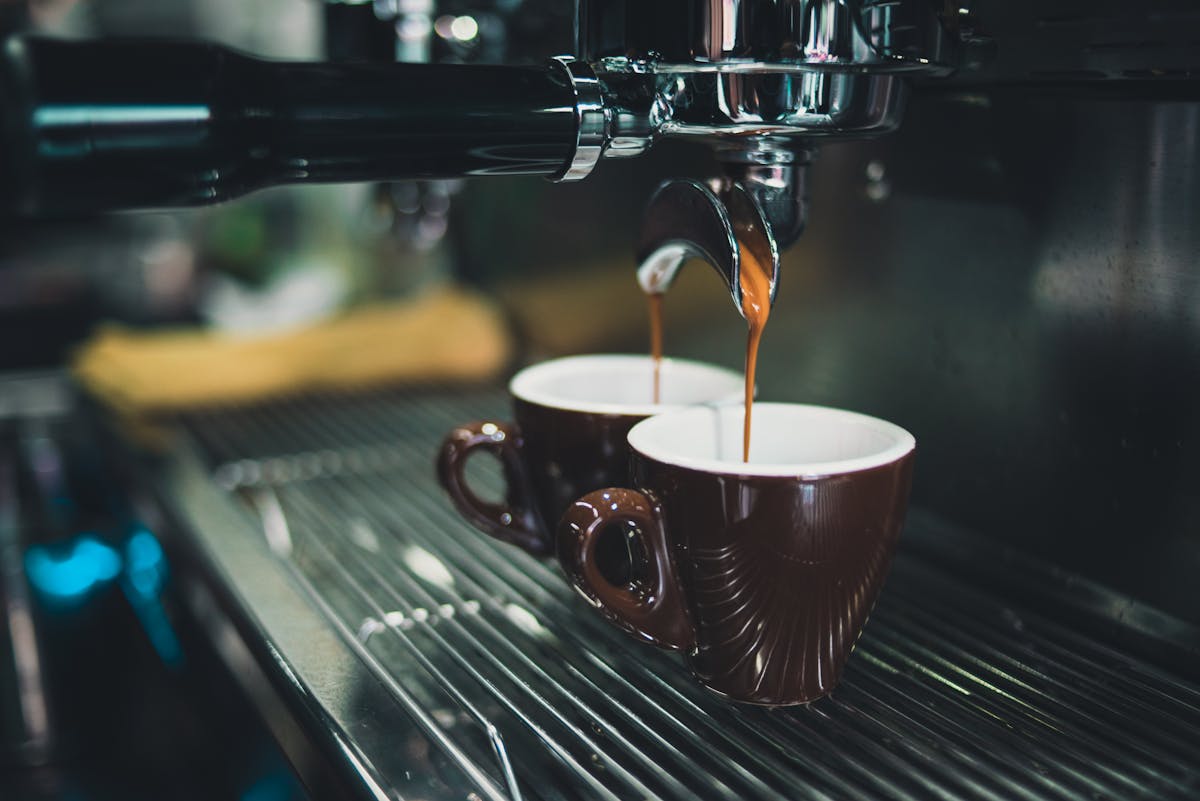
The bar in Sanità with no name worth printing — it's on Via Sanità, near the catacombs entrance. The barista's name is Ciro (every third person in Naples is named Ciro). He makes the best espresso I've had in this city. I'm not going to give you the exact address because it would change the place, and I need it to stay exactly as it is.
My morning routine: Wake up. Walk four minutes to the bar. Say "buongiorno." Receive espresso. Drink it standing up in three sips. Leave a sospeso. Walk home. The whole thing takes seven minutes and it's the best part of my day.
The Drink Menu (It's Simpler Than You Think)
Forget the Starbucks menu board. In Naples, you need about six words:
- Caffè — espresso. The default. When in doubt, order this.
- Caffè macchiato — espresso with a drop of foamed milk. Acceptable any time.
- Cappuccino — espresso with steamed milk. Morning only. I've explained why.
- Caffè lungo — a longer espresso. More water, milder taste. Not the same as an Americano.
- Caffè freddo — cold sweetened espresso, served in summer. Already has sugar in it. Don't add more.
- Caffè con nocciola — espresso with hazelnut cream. Neapolitan specialty. Dangerously good. I have one every Saturday as a treat and I'm not ashamed of it.
Coffee in Naples is a €1 education in how a city thinks about community, time, and what matters. Drink it standing up. Drink it fast. Leave one for a stranger. That's really all there is to it.