Every third person who visits Naples takes a day trip to the Amalfi Coast. Every second person who takes a tour bus regrets it — three hours on a coach, forty minutes in Positano, a "complimentary" limoncello at a ceramic shop, and back to the hotel by 6pm. You can do better than that.
I've done this trip maybe eight times now, in different seasons, by different routes. The coast is gorgeous — that part is true, no exaggeration needed. But how you get there, where you stop, and what you eat along the way will determine whether you come back saying "incredible" or "never again."
What's Ahead
Two Routes In — Pick Your Starting Point
There are two sensible approaches from Naples, and which one you choose depends on where you want to end up.
Route 1: Via Sorrento (western approach). Take the Circumvesuviana from Napoli Garibaldi to Sorrento — about 70 minutes, €4.20. From Sorrento, catch the SITA bus to Positano (30 min) and onward to Amalfi (another 30 min). Or take the ferry from Sorrento port — more expensive but you skip the road entirely.
Route 2: Via Salerno (eastern approach). Take a Trenitalia regional train from Napoli Centrale to Salerno — 35 minutes, about €5. From Salerno, ferries run to Amalfi (35 min, €10) and Positano (70 min, €14). Or SITA bus westward along the coast.
| Route | Cost (one way) | Time | Notes |
|---|---|---|---|
| Circumvesuviana → SITA bus | €6–8 | 2–2.5 hrs | Cheapest, most flexible |
| Sorrento ferry to Positano | €18–20 | 1.5 hrs total | Scenic, no road stress |
| Salerno ferry to Amalfi | €15 | 1.5 hrs total | Good if Amalfi is your goal |
| Tour bus from Naples | €50–80 | Full day | Convenient but rushed |
Positano — Beautiful, Expensive, Vertical
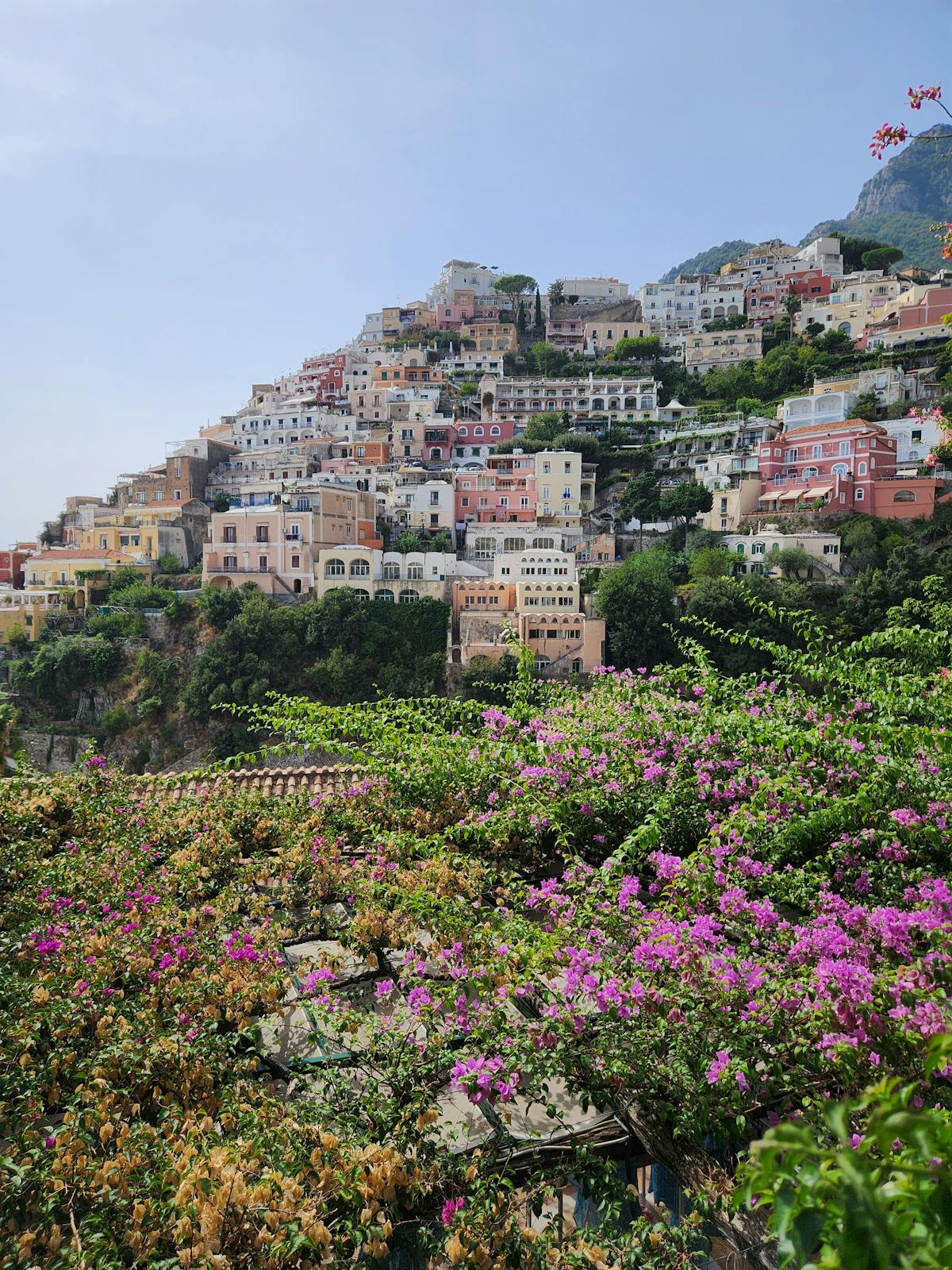
Positano is the one you've seen in every photo. Pastel houses cascading down a cliff to a grey-sand beach. It's beautiful. It's also extremely vertical — the walk from the main road down to the beach involves roughly 400 steps, and every single one of them has to be climbed back up.
The beach is fine. Not great — crowded in summer, and the sun lounger situation is aggressive (€20-30 for a chair and umbrella at the main beach). The free section is small and fills up by 10am from June to September.
Where Positano does well: the winding paths between the houses, the ceramic shops (some are genuinely good), and the views from the restaurants above the beach. Where it does poorly: lunch prices. I once paid €18 for a caprese salad that my grandmother would have made for approximately €2.50 worth of ingredients.
Honest assessment: Spend 2-3 hours in Positano. Walk down, look at the view, have one coffee (€3-5 depending on where), take a photo, walk back up. Don't eat lunch here unless you genuinely don't care about money. The food is acceptable but the markup is absurd.
Amalfi Town — The Manageable One
Amalfi town itself is smaller and more walkable than Positano. The cathedral (Duomo di Sant'Andrea) dominates the main piazza and is worth a look — the Arab-Norman facade is unusual and the cloister is peaceful. There's a paper museum in a converted mill that's more interesting than it sounds.
For lunch, head slightly away from the main piazza — the places right on the square charge tourist prices. One block inland the prices drop by 30% and the food gets better. I like the trattorie along Via Pietro Capuano.
From Amalfi you can catch a bus up to Ravello (20 minutes, €1.30) or walk if you're feeling ambitious — it's about 3km uphill on a footpath through lemon groves.
Ravello — The One Most People Skip
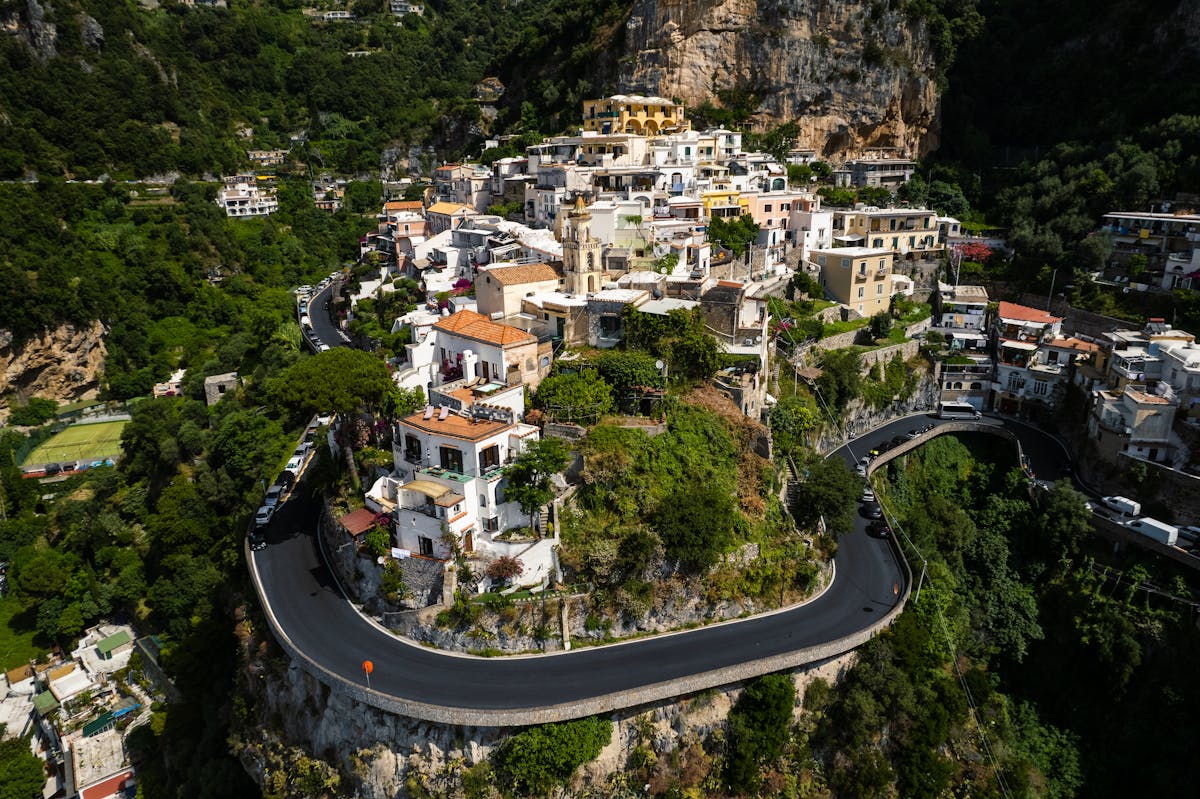
Ravello sits 350 metres above the coast and most day-trippers never make it up here. That's their loss. The gardens at Villa Rufolo and Villa Cimbrone are genuinely extraordinary — I'm not a garden person, but the terrace at Cimbrone, overlooking the entire coast, is one of those views that makes your brain go quiet for a second.
The town itself is small and calm. A few good restaurants, a couple of ceramic shops, a cathedral with a 13th-century bronze door. In summer there's a music festival with concerts in the Villa Rufolo gardens. Wagner composed part of Parsifal here, if that means anything to you.
Ravello is where the Amalfi Coast stops performing and starts just being. The views are better, the crowds are smaller, and nobody is trying to sell you a limoncello tasting.
The Driving Question (Don't)
Every few weeks someone asks me if they should rent a car to drive the Amalfi Coast. The answer is no. I'll qualify that: the answer is no unless you've driven in Naples, are comfortable with roads that have no guardrails, don't mind buses coming at you around blind corners, and have a genuine plan for parking (there isn't any).
The SS163 — the coast road — is one lane in each direction, carved into the cliff. Buses take up the entire lane. Scooters appear from nowhere. Parking in Positano costs €5-8 per hour and the lots fill by 9am in summer. I've seen tourists parked on what I'm fairly sure was someone's front garden.
When to Go and What to Bring
Best months: April-May and September-October. The weather is warm, the crowds are manageable, and the ferries are running. July and August are packed and hot — 35°C on those steps in Positano is no joke.
Bring: Water (at least a litre — refill at fountains), sunscreen, comfortable walking shoes (not flip-flops on those steps), cash (some smaller restaurants don't take cards), and a light layer for the ferry — it gets windy on the water.
Leave by: Make sure you know the last bus/ferry times back. SITA buses from the coast to Sorrento run until about 10pm in summer, earlier in winter. Getting stranded in Positano overnight will cost you — hotels start at €150 even in low season.
The Amalfi Coast earns its reputation. It's one of the most beautiful stretches of coastline in the Mediterranean, and doing it independently — on your own schedule, at your own pace — is infinitely better than watching it through a tour bus window. Start early, bring snacks, and don't try to see everything in one day. Pick two stops. That's enough.